


The Bay Area is packed with famous landmarks, but one of its most overlooked destinations may be Richmond’s Rosie the Riveter WWII Home Front National Historical Park.
Located across the bay from San Francisco, this waterfront national park preserves the story of the American home front during World War II, particularly the vital contributions made by women, Black Americans, and other minority workers at Richmond’s vast wartime shipyards.
Admission is completely free, and it’s easy to get there from San Francisco: the Richmond ferry makes the trip from the Ferry Building in about 35 minutes. Read on for a closer look at this under-the-radar historical attraction.
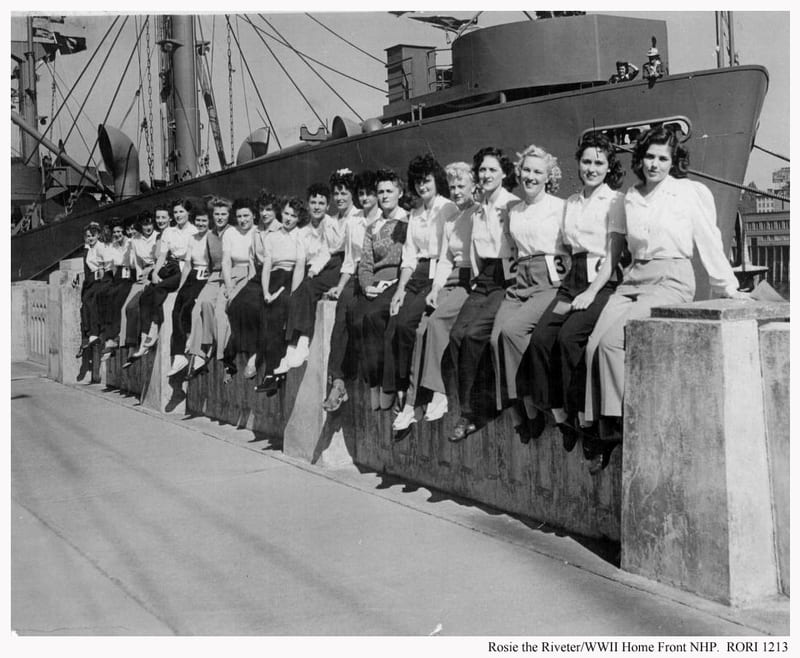
How WWII transformed Richmond
During World War II, Richmond became one of the country’s most important industrial centers. Its massive complex included the four Kaiser Richmond Shipyards along with 56 other war-related industries, collectively turning out 747 ships during the war, more than any other industrial center in the United States.
The enormous demand for workers reshaped the city almost overnight. Richmond’s population climbed from about 24,000 residents in 1940 to nearly 100,000 by 1943, eventually reaching roughly 120,000 by 1945.

Jobs in the booming defense industry drew newcomers from around the country, including Black Americans relocating from the South and Midwest, as well as women taking on industrial work at an unprecedented scale. The wartime influx helped accelerate shifts in racial integration, workplace gender expectations, and employee healthcare. It also helped lay the groundwork for Kaiser Permanente.
Rosie the Riveter became the enduring symbol of this moment. Originally promoted as a patriotic campaign encouraging women to join the wartime workforce, the image took on renewed meaning during the 1970s and 1980s as an emblem of women’s empowerment and equal opportunity at work.

Rosie the Riveter WWII Home Front National Historical Park
The Richmond park honors the people whose labor powered the U.S. war effort at home, with a particular focus on women, African Americans, and other communities who entered new kinds of jobs during the war.
Highlights around the park include:
- Visitor Education Center: Exhibits and personal accounts exploring everyday life on Richmond’s home front, worker experiences, and major social changes during the war.
- Rosie the Riveter Memorial: An outdoor memorial in Marina Bay Park honoring the workers who supported the WWII home front.
- SS Red Oak Victory: A restored WWII cargo vessel built at the Richmond shipyards that visitors can tour.
- Kaiser Richmond Shipyards: Historic markers throughout the former shipbuilding area explain the scale and significance of the wartime operation.
- Ford Assembly Building: This historic waterfront building played a key role in wartime vehicle production and can be viewed from outside.
- Atchison Village: A still-active residential community that once housed tens of thousands of defense workers.
- Kaiser Richmond Field Hospital: A historic site connected to the early development of Kaiser Permanente and employer-supported medical care.
- San Francisco Bay Trail: A waterfront route with sweeping bay views and interpretive signs about Richmond’s WWII history.

Visiting the park
📍 Location: 1414 Harbour Way South, Suite 3000, Richmond, CA 94804
🕜 Hours: Daily 10:00 AM to 5:00 PM
🎟️ Tickets: Admission is free
⛴️ Ferry: You can reach the park via the Richmond Ferry, a 35-minute ride from SF’s Ferry Building
🌐 Website: National Park Service – Rosie the Riveter WWII Home Front National Historic Park