

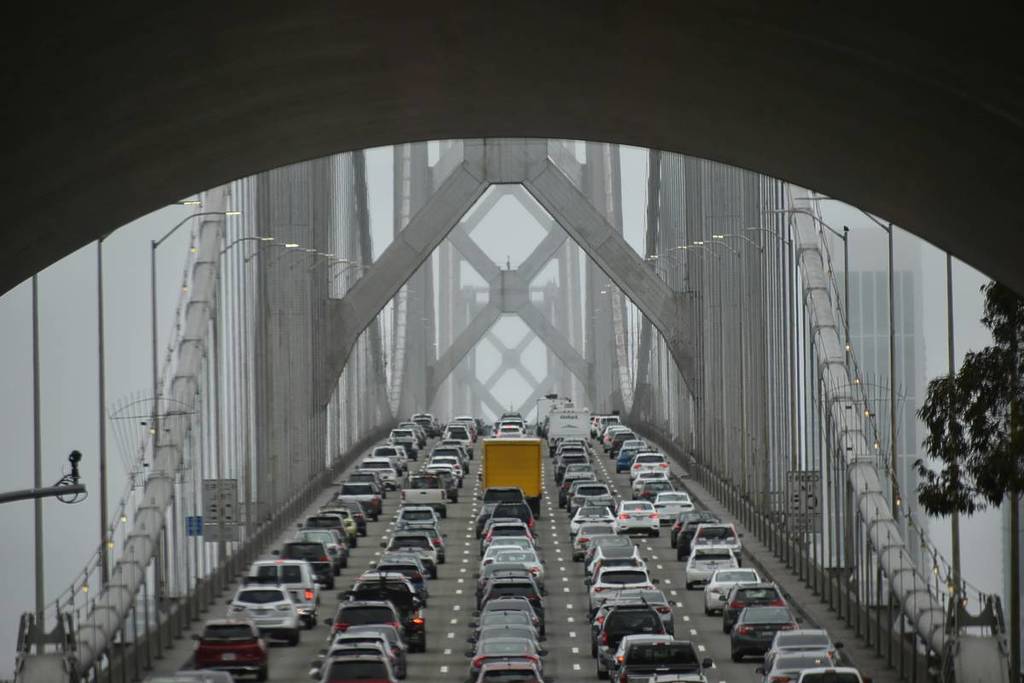
Have you ever wondered how much time you have actually spent in traffic? The Texas A&M Transportation Institute tracks traffic data from across the United States and compiles it into the Mobility Report. The San Francisco and Oakland area had 267,483,000 hours of delay in 2024 alone, making it #6 in total traffic delays in the United States. According to the report, the average commuter in the area spent 134 hours sitting in traffic over the year, ranking second in the United States for traffic per commuter.
The report encompasses the Bay Area, including San Francisco, the South Bay, the East Bay, and the San Francisco-Oakland Urban Area, as defined by the Census Bureau. The report reveals that delays mostly occur on freeways, with 77% of traffic experiencing them during both peak and off-peak hours.
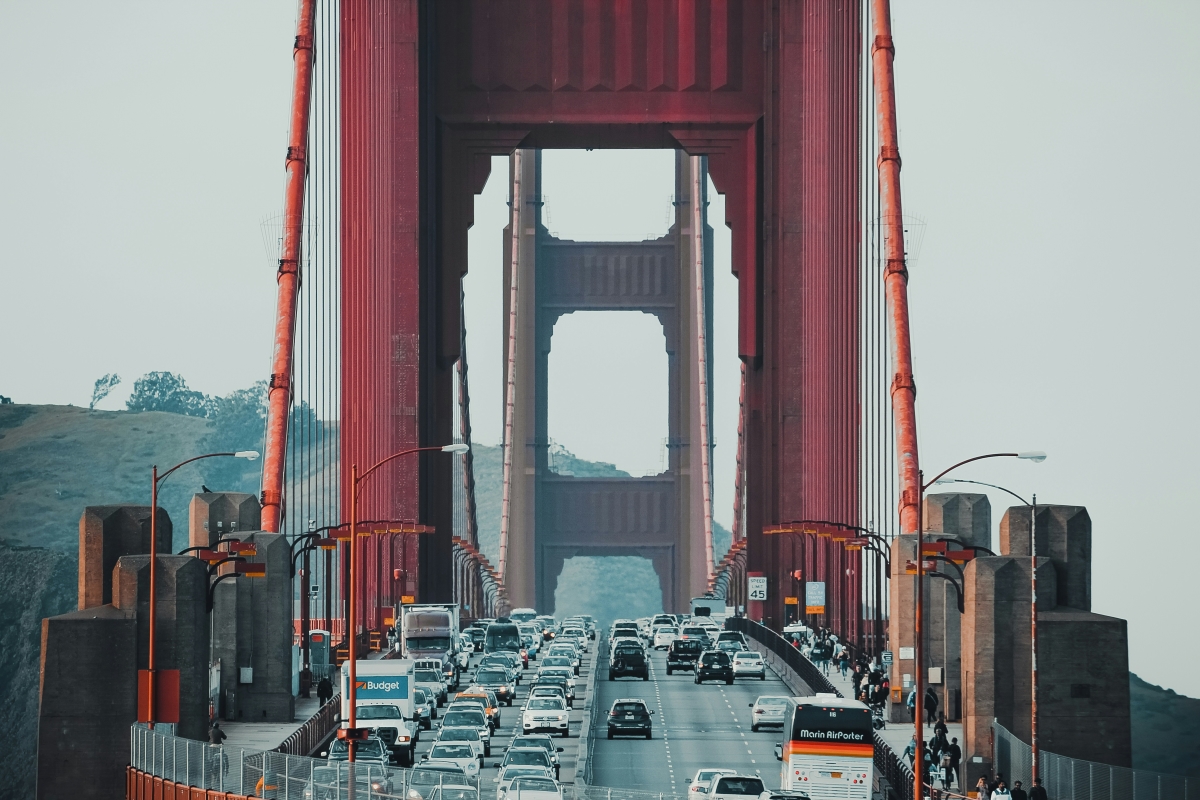
Peak traffic hours in the Bay Area are between 3 and 5 pm on weekdays, with Thursdays seeing the most traffic of the week. Morning rush hour between 7 and 8 am is also less than the evening rush hour on weekdays. According to the report, the city also experiences 8 hours of congestion each day. While the total amount of time spent in traffic may seem alarmingly high, it is still lower than pre-pandemic levels. In 2019, the same area experienced 255,724,000 hours of traffic, which has been increasing since the 1980s. Then, in 2020, traffic plummeted due to the pandemic to less than half the 2019 number at 112,507,000 hours.
Check out the rest of the average time in traffic per driver for U.S. cities:
- Los Angeles, Long Beach, and Anaheim, CA: 137 hours
- San Francisco and Oakland, CA: 134 hours
- New York, NY and Newark, NJ: 99 hours
- Riverside and San Bernardino, CA: 95 hours
- San Jose, CA: 94 hours
- Miami, FL: 93 hours
- Washington, DC: 90 hours
- San Diego, CA: 88 hours
- Seattle, Chicago, and Atlanta (tied): 87 hours
- Nashville, TN: 83 hours
The mobility report was first published in 1987, and measures traffic in 494 urban areas in the United States. The report includes all urban areas with populations of over 500,000. You can see the full report here.