

Newsom just signed a batch of new legislation that will have implications throughout the state, from the grocery aisle to California schools.
The new AB 2244 creates the nation’s first label for foods that are not ultraprocessed (UPFs), coming from Assemblymember Jesse Gabriel (D-Encino).
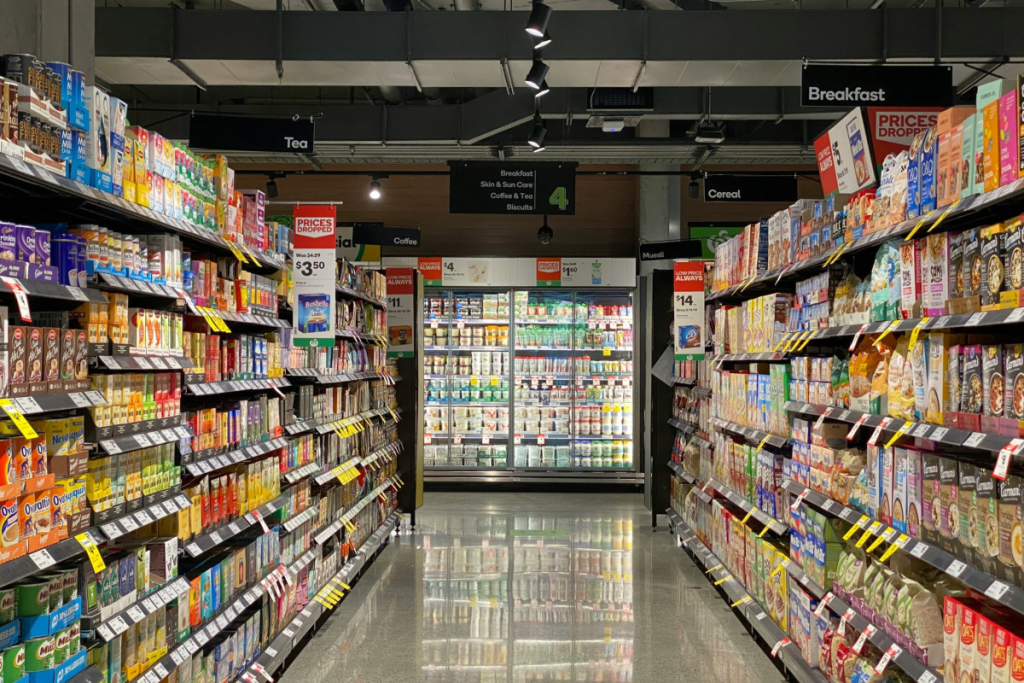
The label will make it easier for shoppers to identify non-UPFs at a glance. The legislation also calls for strategic in-store placement in qualifying stores, so certified products are easier to find on the shelves.
How the new label will work
Participation is voluntary. Manufacturers can carry the seal if their product meets the certification standard, which requires that the product does not classify as an ultraprocessed food, an ultraprocessed food of concern, or a restricted school food. Supporters compare the model to the USDA Organic label, which relies on the same market-based approach.
“Parents shouldn’t need a Ph.D. in chemistry to understand what they’re feeding their kids,” Gabriel said. He framed the seal as a way to find foods “free from harmful additives” and noted that the bill drew support from both Republicans and Democrats.
The legislation builds on last year’s Healthy Foods, Healthy Kids Act (AB 1264, Gabriel). It made California the first state to officially define UPFs and set a timeline for phasing them out of schools. The new label extends that work from school cafeterias to the grocery store.
The state is still writing the definitions of “of concern” and “restricted school food,” with regulations due by June 1, 2028. The certifier accreditation deadline is July 1, 2029, after which point we can expect to start seeing the “Non-UPF” label on store shelves.
The other health laws signed
Restaurants and families: SB 977 (Sen. Akilah Weber Pierson, D-San Diego) requires chain restaurants to offer at least one children’s meal that meets a minimum nutrition standard. SB 869, also by Weber Pierson, requires menus to flag drinks containing more than the recommended daily intake of sugar. AB 1901 (Assemblymember Marc Berman, D-Menlo Park) requires diaper manufacturers to disclose the full list of ingredients.
Diet pills and supplements: AB 2030 (Assemblymember Josh Lowenthal, D-Long Beach) bans the sale of over-the-counter diet pills and weight-loss or muscle-building supplements to anyone under 18.
Tobacco and vapes. AB 762 (Assemblymember Jacqui Irwin, D-Thousand Oaks) bans single-use vapes. AB 2667 (Assemblymember Heather Hadwick, R-Alturas) covers vape advertising and waste, including products designed to look like food or school supplies. Tobacco retailers must also display lung cancer screening awareness signage.
Farm to School. AB 1731 (Assemblymember Lori Wilson, D-Suisun City) creates a program to find local vendors that can supply healthy foods to California public schools, building on the state’s existing Farm to School Program.
You can read the full text of each bill on the California Legislative Information website.