

Today, the Outer Sunset is a charming neighborhood known for its beautiful location next to Golden Gate Park and Ocean Beach. With rows of homes and numerous popular restaurants, bars, and shops, the neighborhood is a quiet yet popular part of the city, but it took many years to develop into what it is today.
In the 19th century, the Sunset neighborhood was made of sweeping sand dunes. Often called the Outside Lands, it was primarily an unsettled part of the city that was mainly used as a weekend day trip to the beach. The inner sunset was equally empty, with just a few farms, factories, and an elementary school in its early development. The Inner Sunset slowly gained more residents in the late 19th century due to the 1894 California Midwinter International Exposition held in Golden Gate Park (one of SF’s oldest bars was established during this time).
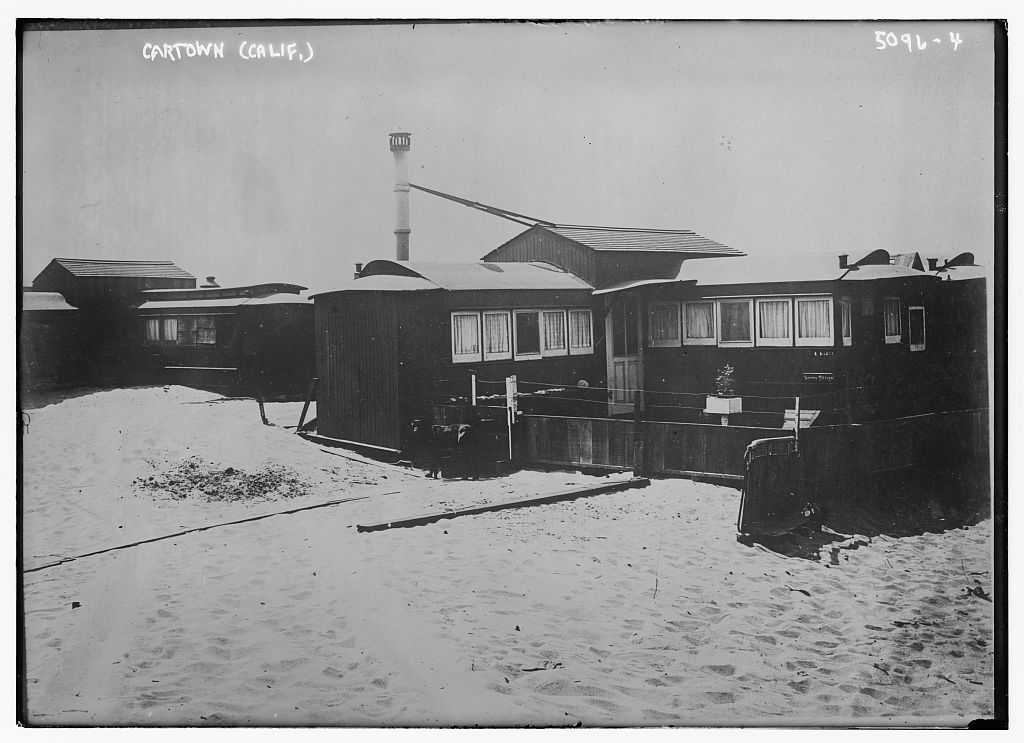
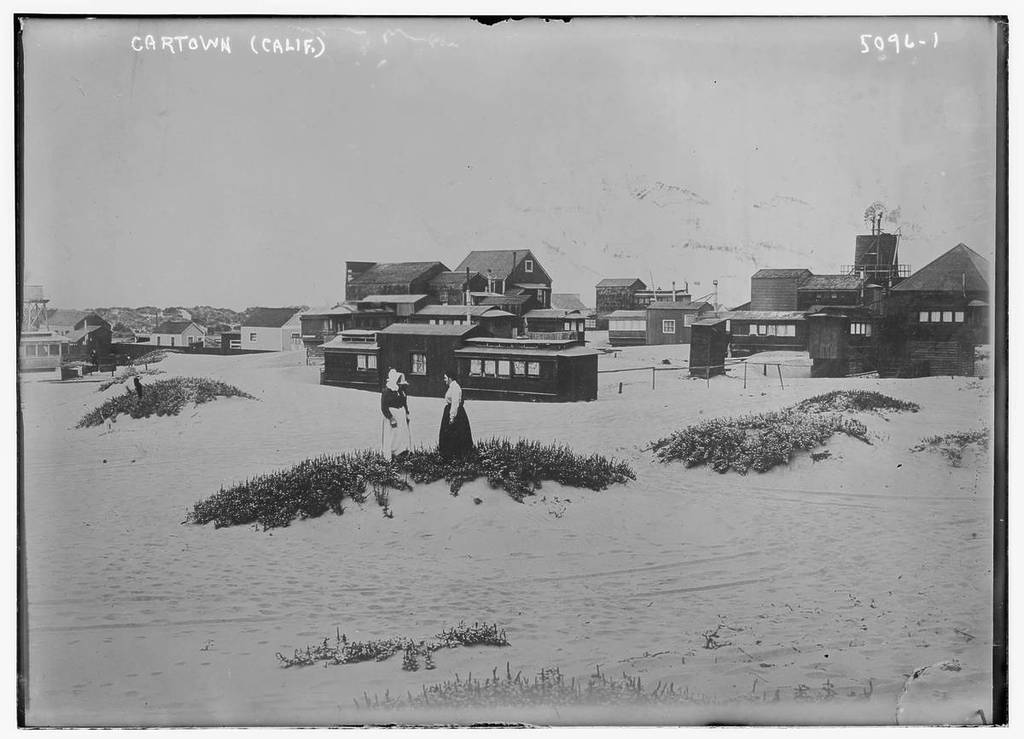
Meanwhile, the Outer Sunset was still covered in dunes, and some early residents created unique homes near the beach. Starting in 1895, the Market Street Railway Company began selling old horse-drawn railway cars due to cable cars replacing them. SF residents bought the abandoned vehicles and used them to make unique homes and shops among the sand dunes in Outer Sunset. The first car-turned building was a coffee shop built for people enjoying the beach and Cliff House near the Great Highway. Just a few years later, over 100 cars had been turned into homes and businesses in the area. Adulph Sutro, the mayor at the time and owner of the land, encouraged the development by renting out his land.
The neighborhood was aptly named Carville, or Carville-by-the-Sea. Carville attracted many creatives, notably writer Jack London, who was known to visit a clubhouse in the area. One car, La Bohème, was run by musicians and hosted visitors from the Metropolitan Opera. The unique buildings were short-lived, as the neighborhood developed over time. By the 1930s, most of the remaining streetcars were replaced with newly built homes that still populate the neighborhood today.