

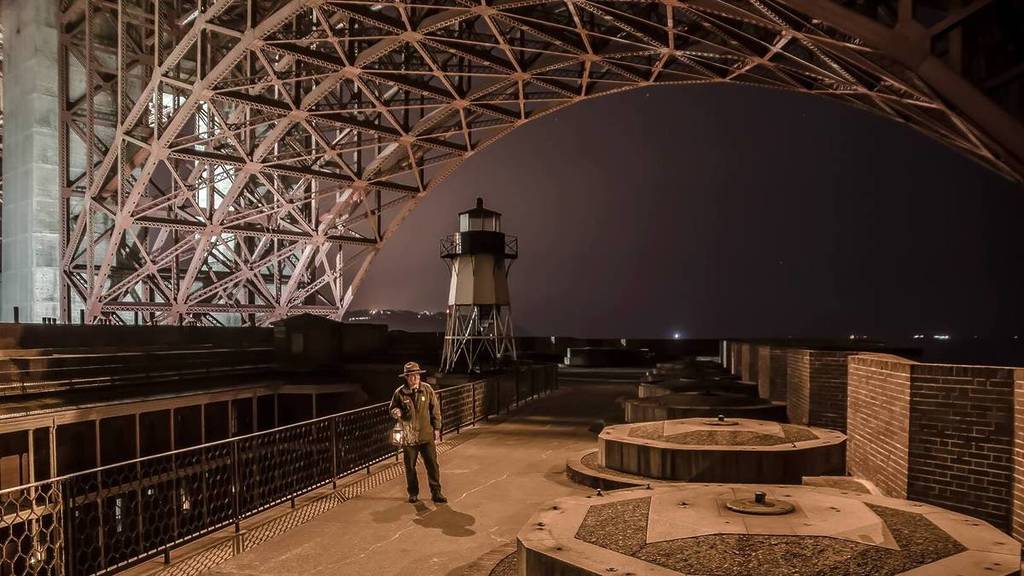
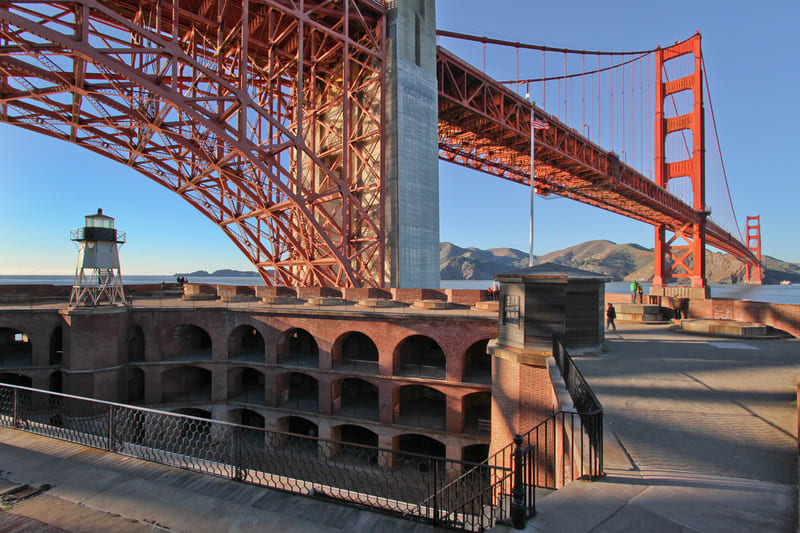
While we may know it for its stunning SF Bay views, Fort Point National Historic Site was once instrumental in protecting California’s coast during the Civil War. This striking building at the base of the Golden Gate Bridge is a somewhat overlooked landmark for most tourists, but it’s quite the hidden gem, especially for the highly sought-after winter candlelight tours.
Fort Point Candlelight Tours are only available between November and February, but if you can manage to grab a ticket, you’re in for a treat. Keep reading for everything you should know before tickets are released.
Fort Point Candlelight Tours
Upon arrival at Fort Point, each guest will take a lantern and embark on a 90-minute guided tour led by a park ranger. The one-of-a-kind tour takes visitors through all four levels of the historic Fort Point, including the roof, teaching about the history and stories of the imposing fort along the way.
While anyone can visit Fort Point for free during the day, the candlelight experience adds a special perspective, helping transport you back to the look and feel of 1800s-era San Francisco.
Just make sure you keep your wits about you… Haunted tales have lingered throughout the Fort’s tumultuous history, and ghost hunters have claimed to see uniformed servicemen lingering on the premises, waiting for a battle that never came.
Candlelight Tours are available between November and February. While dates have not yet been announced for 2025, you can keep an eye out for ticket releases at Recreation.gov.
History of Fort Point
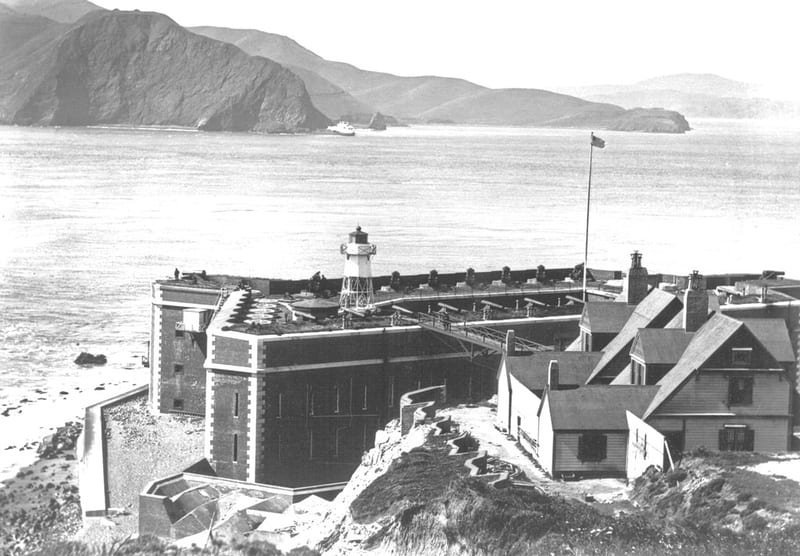
Fort Point National Historic Site was built for the Civil War between 1853 and 1861. It’s been hailed as “the pride of the Pacific,” “the Gibraltar of the West Coast,” and “one of the most perfect models of masonry in America.”
The structure was created as one of California’s most formidable defenses against foreign attack, and although it never saw combat, the fort was instrumental in deterring Confederate aggression during the Civil War.
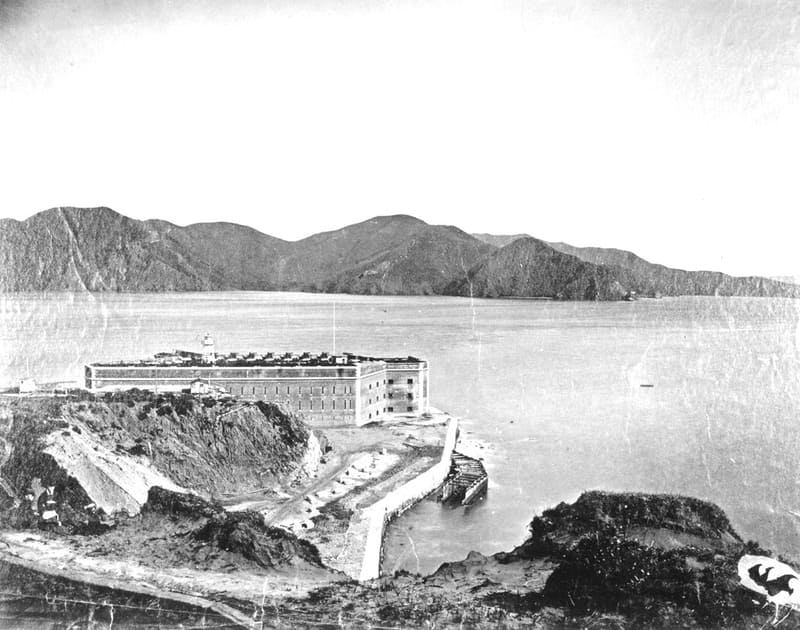
The fort was built in the Third System fortification style, a now-obsolete defense design with three tiers of cannon casements and a sod covering to absorb enemy fire. At one point, the fort housed 102 cannons, plus “hotshot” furnaces used to heat the cannon balls, with the idea of setting enemy ships on fire upon impact.
The fort was almost demolished to build the Golden Gate Bridge in 1933, but Chief Engineer Joseph Strauss ultimately lobbied to preserve it. In 1970, the structure became a National Historic Site.