
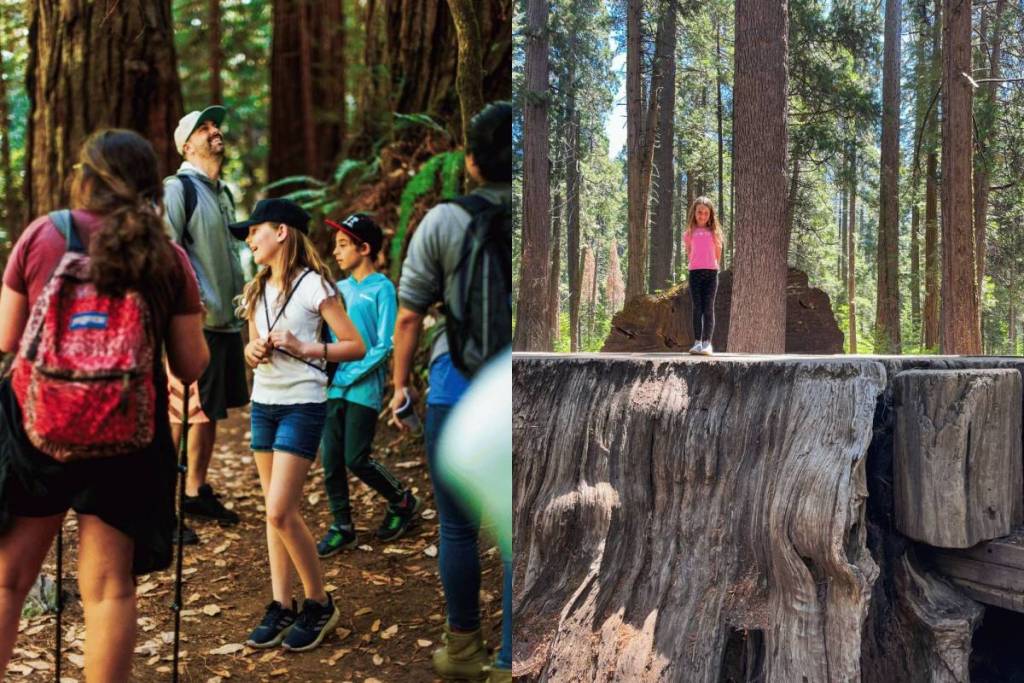

California families with incoming fourth graders can now sign up for a free state parks pass even earlier than normal!
California State Parks has updated its Free Fourth Grade Pass program for the 2026–27 academic year, expanding the sign-up window to August and extending pass validity to up to 13 months — from the start of fourth grade through the end of the following summer.
What is the Free Fourth Grade Pass?
Formerly called the California State Park Adventure Pass, the Free Fourth Grade Pass grants fourth graders and their families unlimited free visits to 54 participating California state parks.
Previously, families couldn’t register until September, after many school districts had already started the year. But now, students can begin exploring state parks in August and make the most of the last few weeks of summer. The pass remains valid through August 31 of the following year, covering the full span between fourth and fifth grade.
The pass is specifically available to fourth graders because state parks connect as “living classrooms” to the fourth-grade curriculum, which features California and Gold Rush history, Native American heritage, and earth and life sciences.
Parents and guardians can download the pass through a free account on ReserveCalifornia.com. The only information required is a name, address, phone number, and email address. Additional details about the program are available at parks.ca.gov/4thGrade.
Broadening state park access for all
The Free Fourth Grade Pass is one component of the state’s Outdoors for All initiative, which aims to expand equitable access to California’s park system. Since the program launched in September 2021, more than 100,000 passes have been distributed statewide.
Other free pass options available to California residents include the California State Library Parks Pass, which library cardholders can borrow from more than 1,100 public and tribal libraries for day-use entry at over 200 state parks, and the Golden Bear Pass, a free annual pass for CalWORKs recipients, Supplemental Security Income recipients, income-eligible residents over 62, and Tribal TANF participants.