
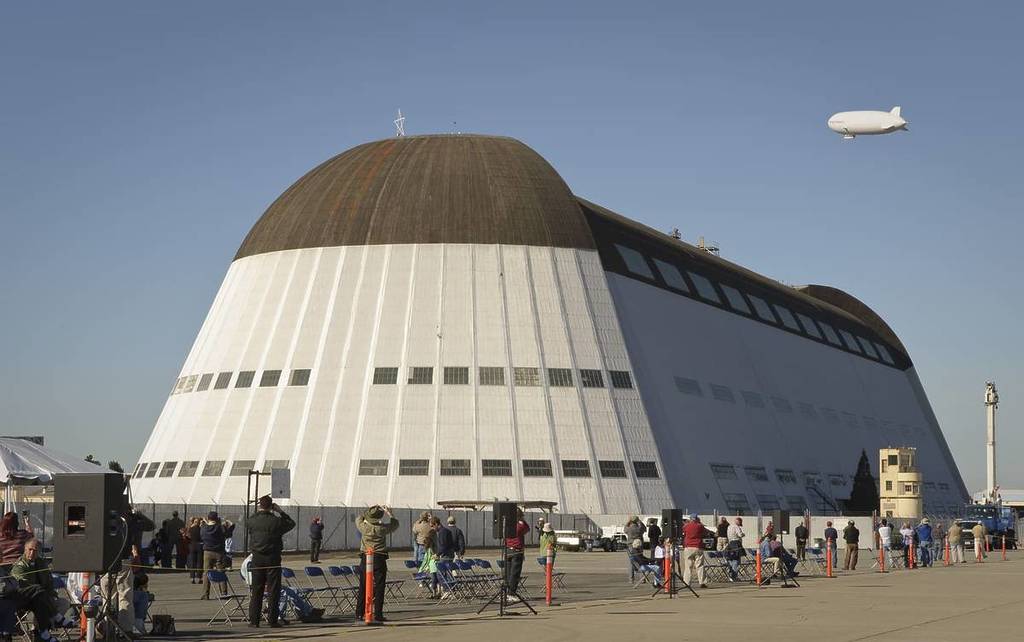

Anyone who’s taken a drive down 101 has likely seen the enormous Hangar One at Moffett Airfield in Mountain View.
Built in 1933 to house the Navy’s USS Macon airship, the landmark is an iconic part of the Bay Area’s aviation history. At 1,133 feet long, 308 feet wide, and 198 feet high, the hangar is one of the largest freestanding structures in the world, with a footprint big enough to fit six American football fields.
The USS Macon was damaged and lost in a storm off Big Sur in 1935, leaving Hangar One to house training aircraft for several decades. The base was eventually decommissioned and transferred to NASA in the 1990s, later falling into disrepair after routine testing revealed PCBs, lead, and asbestos in the hangar’s original corrugated siding and paint.
The hangar was closed to human use in 2003, at which point the Navy stripped the structure down to a skeletal steel frame.
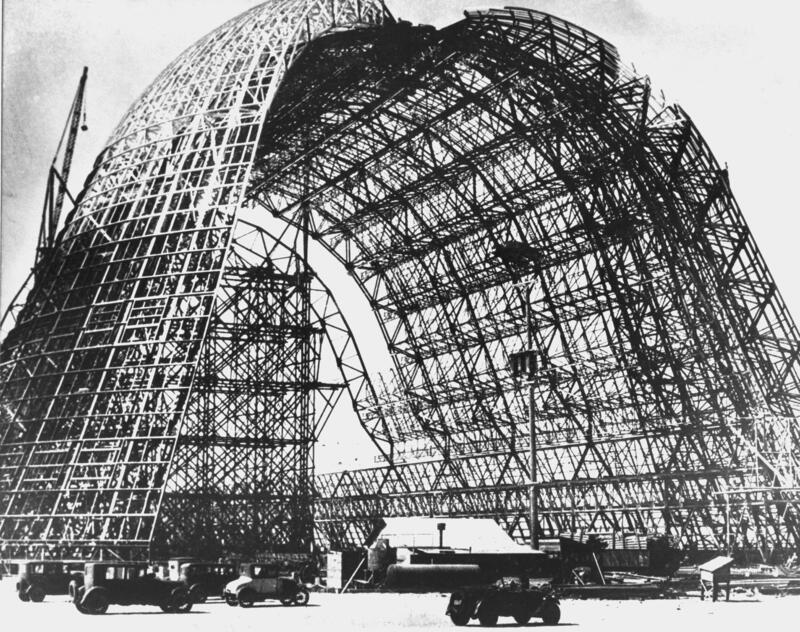
Restoring Hangar One
After decades of debate over whether to demolish the building or save it, Google subsidiary Planetary Ventures began restoring Hangar One in 2022, with NASA’s blessing.
According to NASA, the Hangar One restoration was an enormous project that involved modernizing Hangar One’s structure while staying as true to its original characteristics as possible. Teams carefully encased and removed contaminated materials, reinstalled the siding and roof, and conducted major structural upgrades to return Hangar One to its former glory.
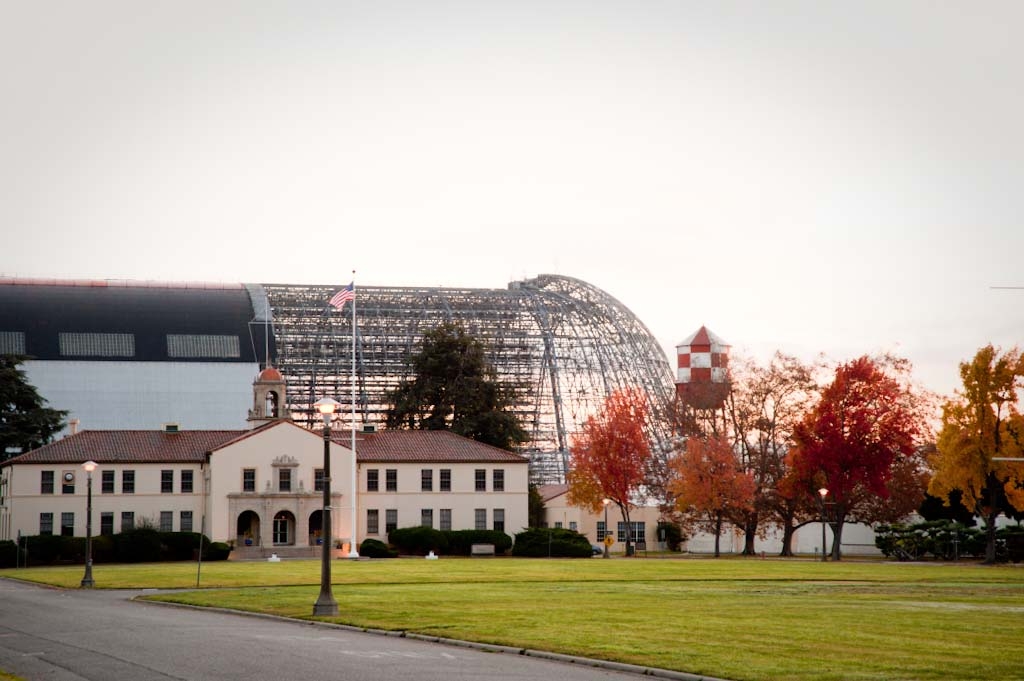
Three years and several hundred million dollars later, Hangar One officially finished its restoration on December 1st, 2025.
According to New Atlas, Google plans to use Hangar One and Moffett Field for research and development in the realms of space exploration, aviation, and robotics, although specific plans remain “conspicuously unclear.”
While Hangar One is not open to the public, you can see its impressive stature off the 101 and nearby roads. The adjacent Moffett Field Museum has an exhibit area dedicated to the history of the USS Macon and Hangar One, where you can learn more about this fascinating part of Bay Area aviation history.