
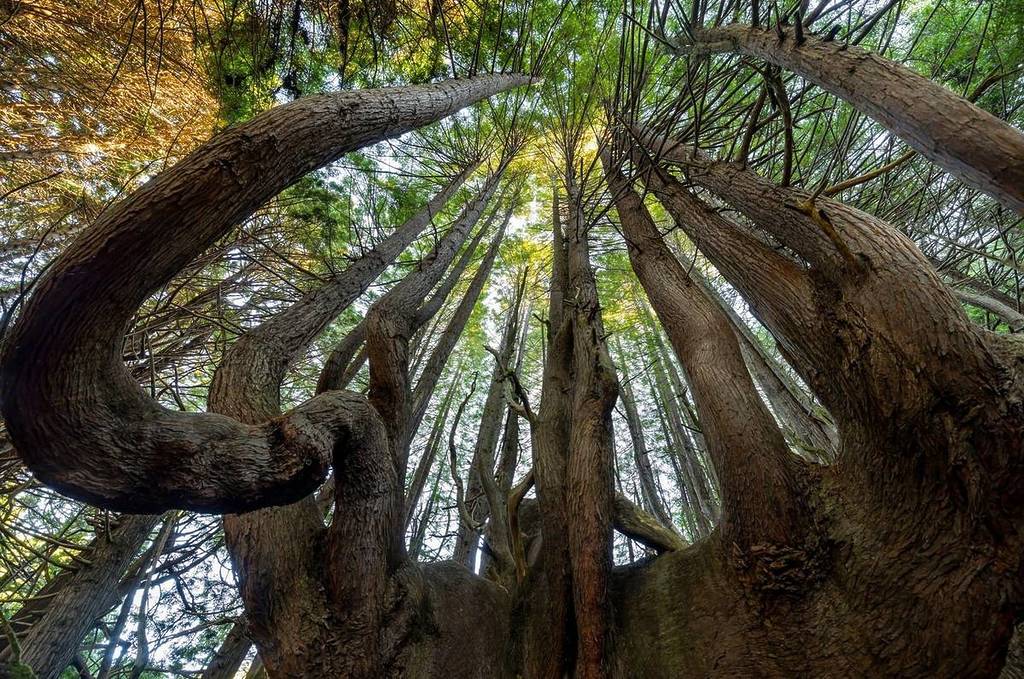

California’s Lost Coast hides numerous natural wonders, from black sand beaches to the one-of-a-kind candelabra redwoods. While classic redwood trees extend straight up, the candelabra redwoods have numerous enormous branches that shoot out horizontally and curve upward like a candelabra.
The magnificent tangled redwood trees are found up in Mendocino County on the Lost Coast, a 75-mile stretch of California’s most isolated and untamed coastline.
Visiting the candelabra redwoods
Centuries of harsh coastal winds and salty sea air caused the candelabra redwoods to fracture and regrow in complex multi-trunked shapes that you won’t find anywhere else. The trees’ twisted forms allowed them to survive logging, and the region’s microclimates have continued to preserve them for centuries.
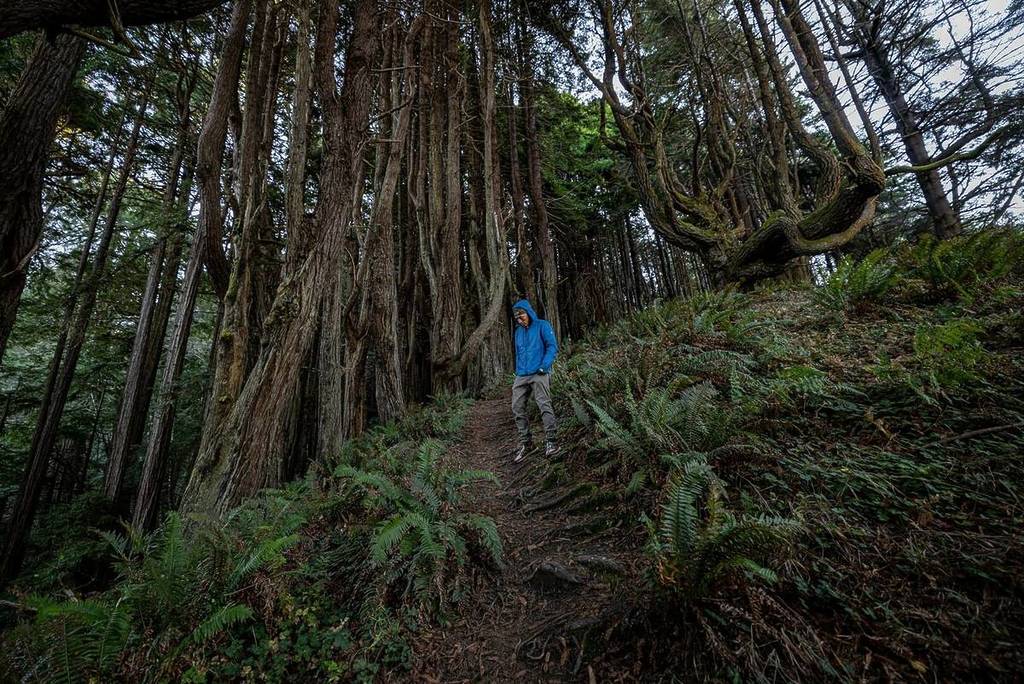
The Save the Redwoods League has also been instrumental in preserving the candelabra redwoods; in fact, the organization manages the remote Shady Dell forest where the trees are found. You can see them on the 2.3-mile Peter Douglas Trail, an extension of the famous Lost Coast Trail, which was just added in 2016. There’s a viewing platform built for visitors to enjoy the candelabra redwoods without stepping on their roots.
Hiking the Lost Coast Trail
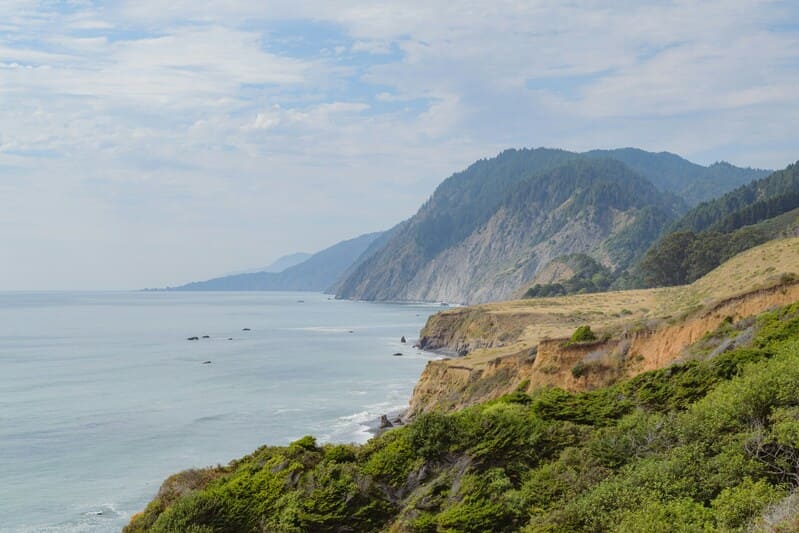
The 75-mile Lost Coast is situated between Rockport and Ferndale in Northern California, and it remains almost entirely untouched by human development. While only a few remote roads reach this section of the coast, dedicated hikers and backpackers are known to explore the area via the 25-mile Lost Coast Trail.
The hike explores a variety of landscapes, including black sand beaches, coastal redwood forests, bluff-top prairies, and soaring seaside mountains. In addition to the candelabra redwoods, the abandoned Punta Gorda lighthouse is another bucket-list item to see on the trip.