

When we think of concerts, we picture the artist, the energy, and the crowd. Each one is different, each uniquely special. We arrive, we experience, and we often leave changed. Behind every moment are the people who make it all happen. For the popular Cansdlelight concert series, the atmosphere feels intimate and calming in a way that seems almost effortless, but in reality, that feeling is carefully crafted.
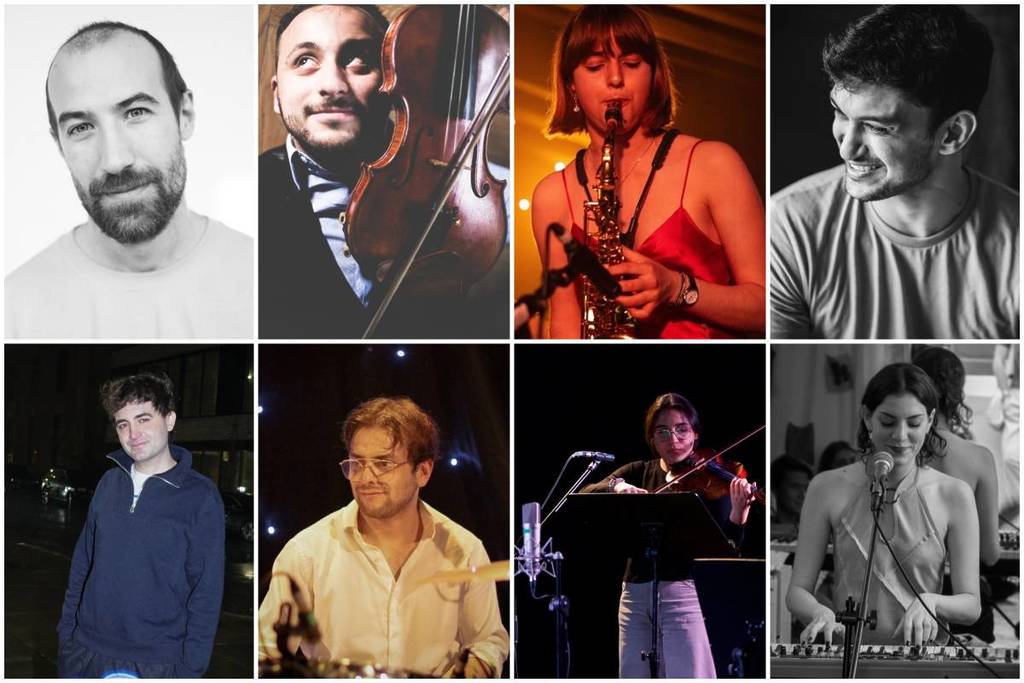
Behind the scenes, 14 highly specialized people are the minds making it all happen. They’re all professional music creatives, with backgrounds ranging from former Broadway performers and Berklee film scoring graduates to PhD holders, musicology graduates from University of Oxford, professionally touring musicians who have performed with major European orchestras, and many other exceptionally talented individuals. To better understand how a concert series like this comes together and to get to know the people behind it, we asked them a few questions.
“What is the curation team? What does it do?”
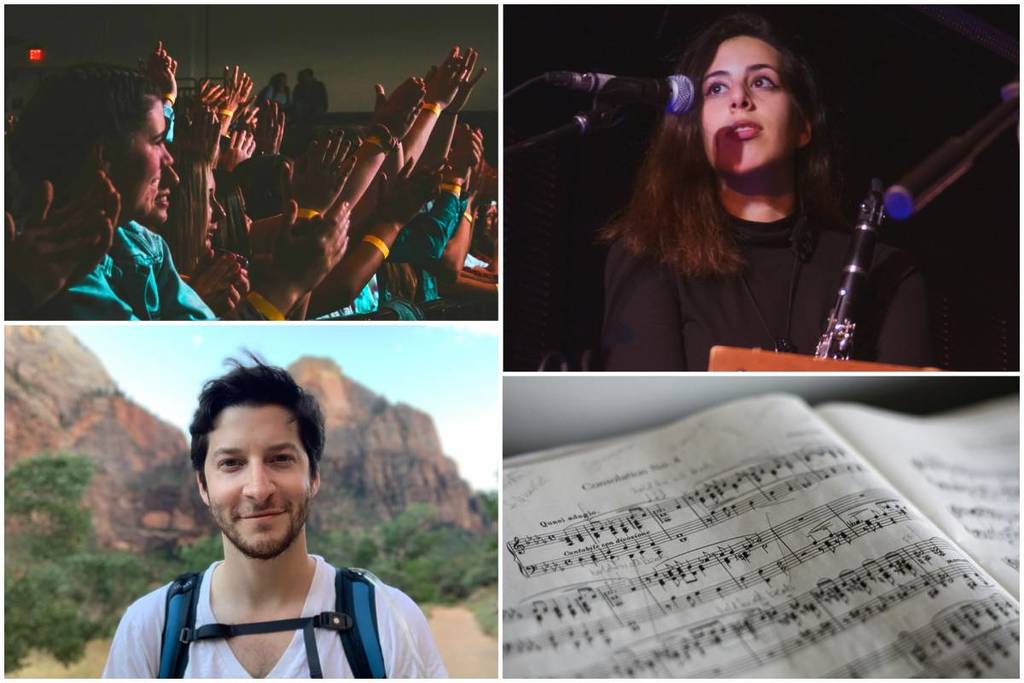
Well first, what does being a ‘curator’ mean? According to the curators, “we’re the ones that are silently taking care that the most important part of every concert is executed greatly.” Easy? Not at all. They’re responsible for finding the musicians, building the programs, and making sure every concert is musically right for each audience.
And what better people to find professional musicians- than other professional musicians. For those chosen in Candlelight concerts, talent is not limited to elite institutions, discovery happens everywhere.
According to German Ocampo Barrera, having the background allows them to act as a bridge “between the corporate world and the musicians.” The musicians who are picked are some of the “best classical musicians in the world” and are all local to the region.
“How do you choose the music that is going to be performed?”
The team is spread across the world, each curator focused on a different region. It’s not as simple as choosing an artist and building a concert around them. Instead, they like to have “someone near to that culture” involved, shaping programs that “reflect the local sensibilities.” After all, there’s little point in staging a concert around music that doesn’t resonate with the audience.
One curator said they usually start with something they personally love, and then “refine it to a broader appeal.” When asked about their favorite setlists, many pointed to artists tied to their own culture or region, saying those shows feel the most meaningful. The goal is “democratizing access to classical music,” which, they stressed, is not just a “corporate tagline, but an important goal.”
Ocampo explained further that:
“introducing classical music to a demographic that has historically been excluded from it is a great honor.”
“Is AI being used in curating music?”
Naturally, we asked how much AI is actually involved in curating setlists and choosing genres. According to the curators, it’s minimal. Some said it could be useful for spotting “the most recent trends,” but most kept returning to the same idea: “music is human.” One added that “whatever AI spits out is not half as good as what I can come up with,” pointing instead to their “extensive knowledge, expertise and experience” as what really drives the quality of the concerts.
If music is “a living, breathing thing,” it takes a small group of exceptionally talented, thoughtful individuals to create something as striking as Candlelight or The Jazz Room. At the heart of these concerts are people who care about people, and the connections music can build, making classical music less about exclusivity and more about something calm, connecting, and most of all, shared.
*Curators: Pablo Moreno Sánchez, Robert Tyler Bechtle, Javier Calderari Torres, Ricky Schweitzer, Ana Sofía Vela Ramirez, Andree-Ann Deschenes, Hyunmin Kang, German Ocampo Barrera, Adrian Martens, Paula Gonzalez, Paula Flores, Lulu Whittington, Ross Raymond Mccaw and Aalok Gandhi