

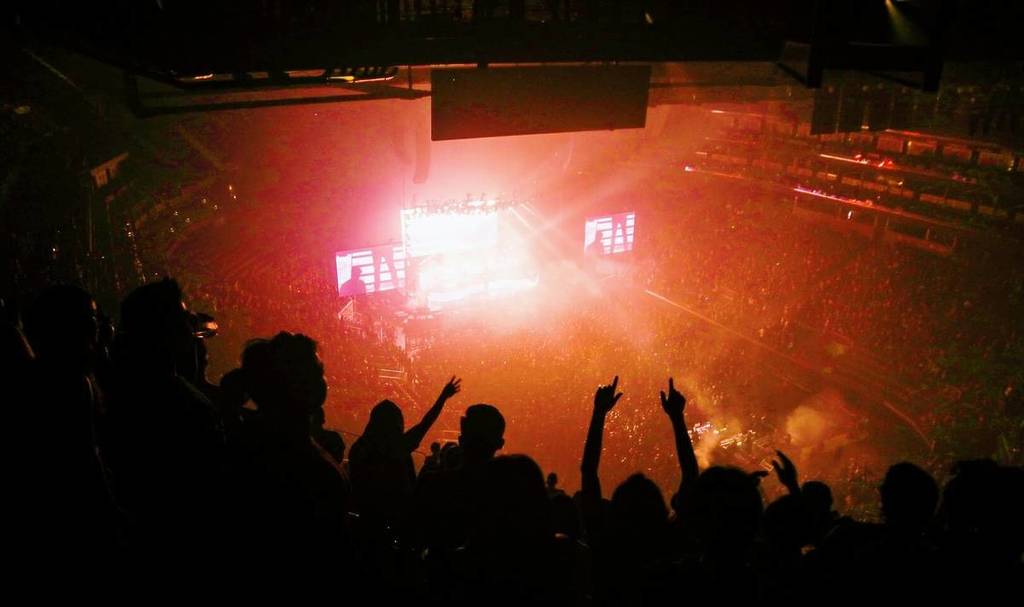
California lawmakers are looking to rein in skyrocketing ticket prices. Last week, Assemblymember Matt Haney (D-San Francisco) unveiled the California Fans First Act (AB 1720), designed to prevent excessive markups on concert tickets.
Here’s a breakdown of the bill and how it could affect fans.
What is the goal of the California Fans First Act?
The proposed legislation would place a strict limit on resale tickets, capping prices at no more than 10% above their original face value.
The law is aimed at scalpers and automated bots that scoop up large quantities of tickets and resell them at inflated prices. Fans often end up paying double or more on the secondary market, making it harder for average concertgoers to attend shows. Independent venues and nightlife areas are also impacted, as fewer people can afford tickets to multiple events.
If passed, the law would cover concerts, comedy shows, and theatrical performances, but it would not apply to sporting events.
Who supports the bill?
California Assemblymember Matt Haney (D-San Francisco) introduced AB 1720 on February 5, 2026. LiveNation and the National Independent Venue Association’s California chapter (NIVA California) have expressed their support.
“For decades, concert tickets were sold at face value to real fans who wanted to see the artists they loved,” said Haney in a press release.
“But today, professional scalpers and bots buy up tickets in seconds and resell them at massive markups. This bill puts an end to that system and puts the concert experience back where it belongs: with fans and artists.”
Backers of the bill believe the California Fans First Act could establish a nationwide benchmark for fairer ticketing, much like past laws that tackled hidden fees and misleading online sales tactics. Still, there’s some pushback. Certain economists and ticket resale platforms argue that strict price limits might restrict market dynamics and hinder legitimate resellers who help distribute tickets to fans who missed the initial sale.
What happens now?
AB 1720 has just entered the California legislative process. It will go through committee hearings and votes before potentially becoming law.
Currently, it is listed as “in progress”, with a possible committee hearing scheduled for March 8th, 2026.