

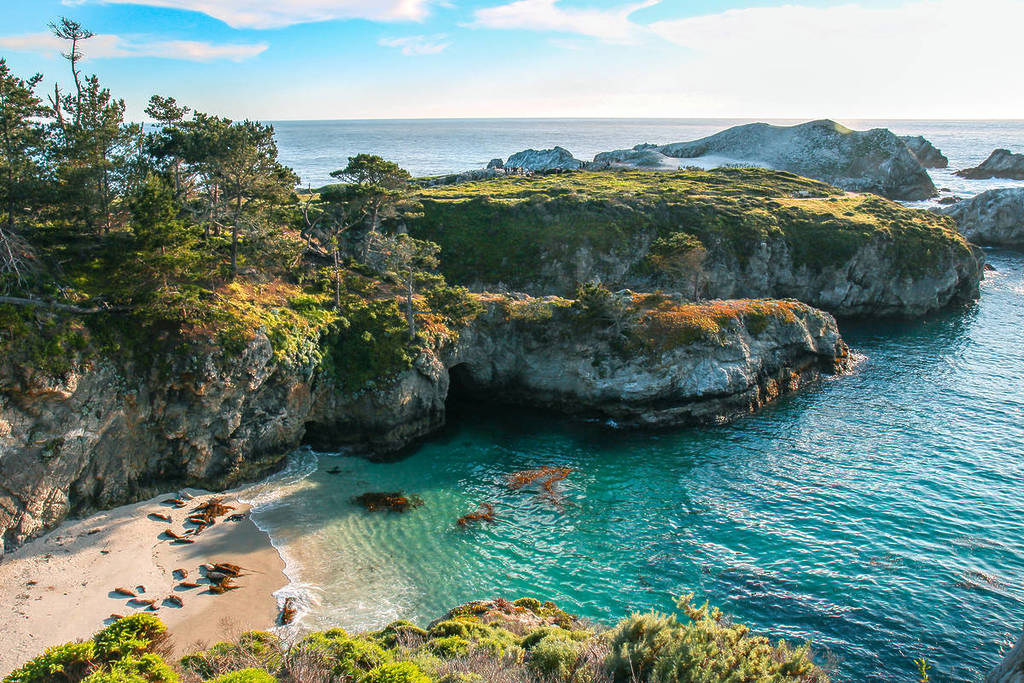
Point Lobos State Natural Reserve is a spectacular coastal park often called the “crown jewel of the California State Park System.” From nature lovers and photographers to hikers and SCUBA enthusiasts, visitors come from all over to experience the beauty of Point Lobos.
Located just south of Carmel-by-the-Sea, the tranquil state reserve has been a cherished destination for generations of Californians. It was famously frequented by legendary photographers, including Ansel Adams and Edward Weston, and landscape painter Francis McComas, who once called Point Lobos “the greatest meeting of land and water in the world.”
History and legacy of Point Lobos
For over 2,500 years, Point Lobos was inhabited by the indigenous Rumsen, a local group of California’s Ohlone people, who left behind archeological evidence including middens and mortar holes. The village next to Point Lobos was known as “Isxhenta,” and the area was considered sacred.
In the late 18th century, the Rumsen’s population and traditions declined due to the arrival of Spanish colonizers, disease, and forced assimilation at the nearby Carmel Mission. The area came under Mexican rule and was used for cattle grazing.
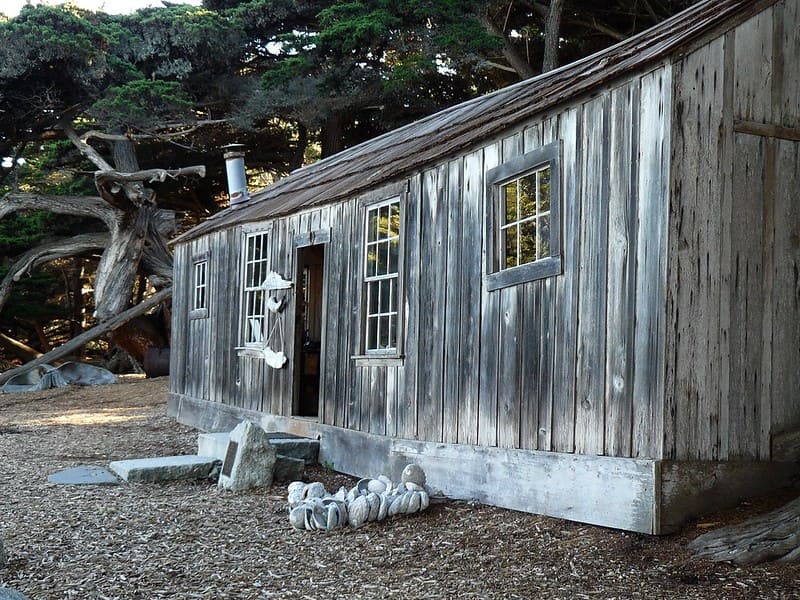
In the mid-1800s, Chinese and Japanese fishermen and Portuguese whalers settled at Whalers Cove to harvest abalone, fish, and sea urchins. The Whalers Cabin, which was built in the 1850s, still stands today as a museum.
The State of California eventually acquired Point Lobos in 1933, preserving its beauty for future generations.
Things to do in Point Lobos
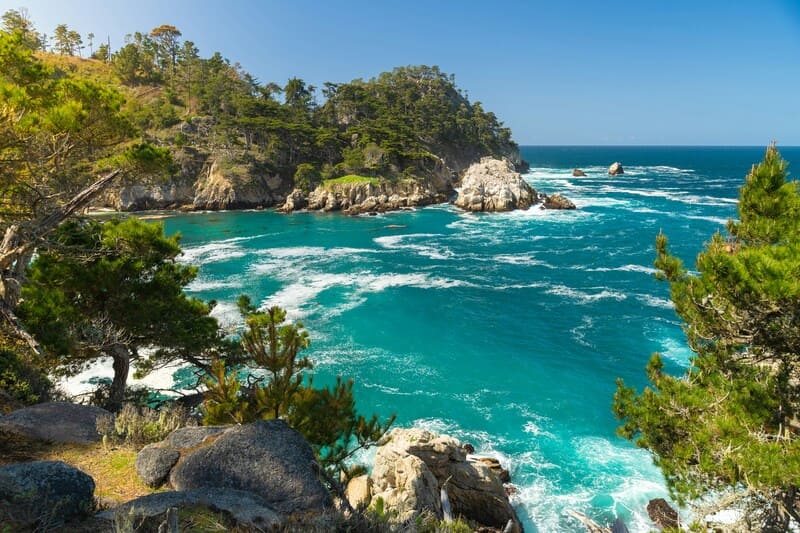
Point Lobos’ coastline features rugged coves, striking sandstone and granite formations, sea caves, coastal meadows, and Monterey cypress forests. The offshore area teems with lush kelp forests and mesmerizing tide pools, offering an intriguing firsthand look at California’s natural coast. Here are a few ways to make the most of Point Lobos.
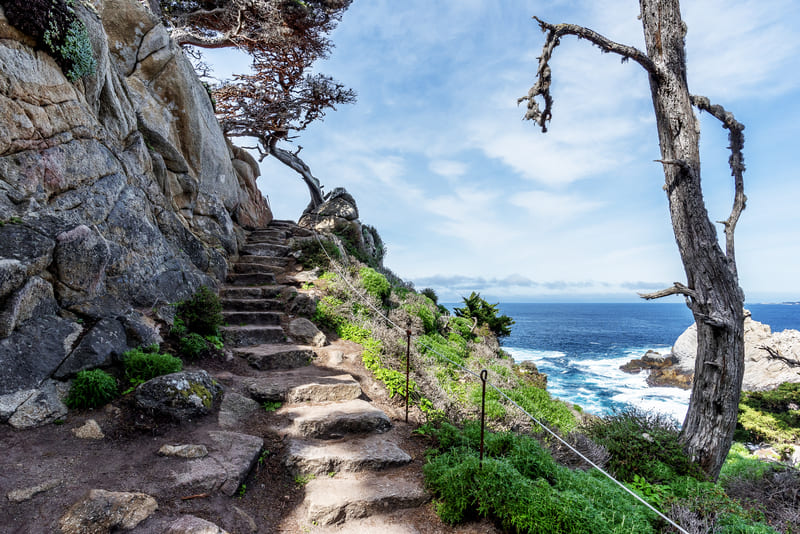
- Hiking and jogging – Get the best ocean views on scenic trails like the Cypress Grove Trail, Granite Point Trail, and the China Cove and Gibson Beach Trail. Some trails, including the Lace Lichen Trail, are ADA-compliant.
- Photography and painting – Point Lobos continues to be a popular destination for plein air landscape painting and photography.
- Wildlife watching and tide pooling – Look for sea otters, harbor seals, sea lions, whales, and seabirds. If visiting at low tide, you can look for critters in the tide pools at Weston Beach, or check out the sea cave at “The Pit” beach off of Granite Point Trail.
- SCUBA diving and snorkeling – Explore California’s unbelievable underwater habitats at Whalers Cove or Bluefish Cove.
- Whalers Cabin Museum – Learn about the cultural history of Point Lobos in this historic whaler’s cabin from the 1850s.
Visiting Point Lobos from SF
🚗 Driving from SF: It takes about 2-3 hours to reach Point Lobos from San Francisco, depending on traffic. Many travelers prefer the slower (but more scenic) Highway 1 route, which passes through additional must-see coastal destinations, including Pacifica, Half Moon Bay, Pigeon Point, Santa Cruz, Pacific Grove, and Carmel.
🅿️ Parking: There is limited on-site parking that costs $10 per vehicle, so plan to arrive early morning or late afternoon for the best chance to get a spot. Alternatively, you can park along Highway 1 and walk.
🕜 Hours: The park is open from 8am-7pm with last entry at 6:30pm.
🌐 Learn more: Visit the California State Parks website for more information about Point Lobos State Natural Reserve